At Power Path Logistics, workforce development is not just a one-time opportunity or a checkbox. It is an ongoing investment in people, skills, and long-term success. Getting your foot in the door matters—but what happens after that matters even more. Too often, workforce development is framed as entry-level access alone: a chance to get hired, get trained, and get started. But we see opportunities for real growth beyond that.
That is where our recent training programs come in. As a third-party logistics (3PL) provider focused on kitting, warehousing, and fulfillment services, we know that strong operations depend on strong people. Recently we’ve been focusing on practical, day-to-day skills that directly impact both employee confidence and customer outcomes. In our “Communication That Saves Time” training, staff worked through real scenarios that highlighted how small improvements in messaging, clarity, and timing can eliminate delays and reduce back-and-forth across teams and customers.
In “Solving Problems Before They Happen,” we shifted the focus from reacting to issues to identifying patterns early. Employees practiced recognizing early warning signs in workflows—whether in order volume spikes, kit assembly inconsistencies, or shipping delays—and discussed proactive steps to prevent disruption before it reaches the customer.
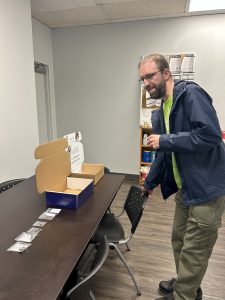
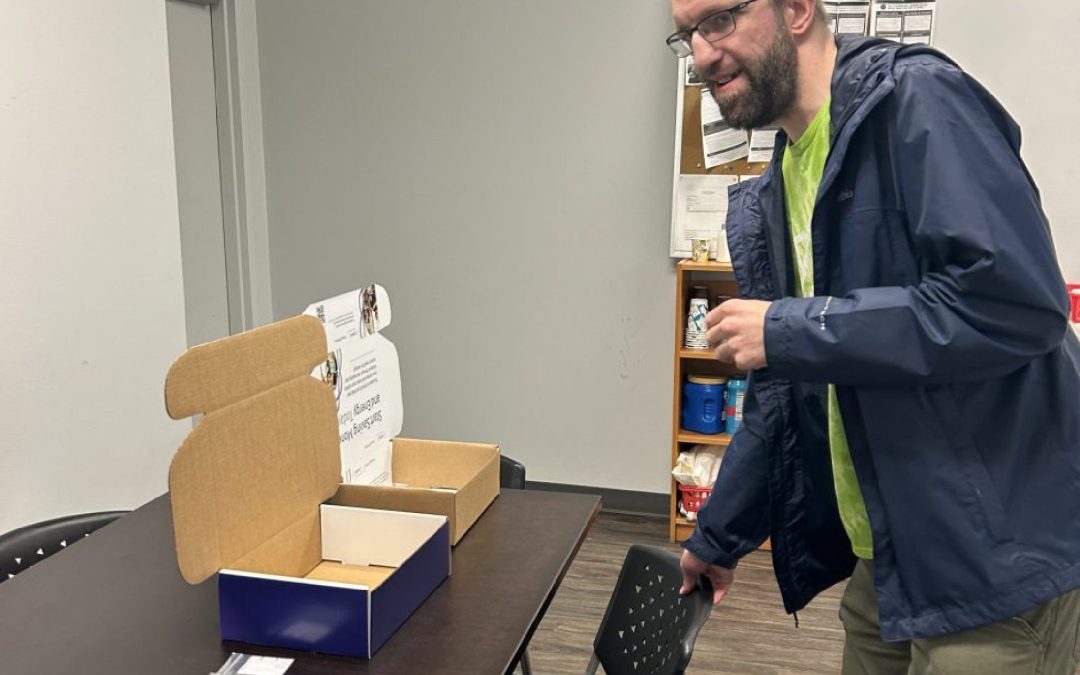
We also revisited our customer service manual as a team, not as a static document, but as a living guide. The goal was to ensure everyone understands not just what the standards are, but why they matter in a 3PL fulfillment environment where accuracy, timing, and trust are everything. One of the most impactful sessions recently was our QA/QC (Quality Assurance / Quality Control) training. Staff were asked to review actual kits and completed orders with a critical eye, focusing on accuracy, completeness, and presentation. The exercise surfaced several important takeaways:
First, small errors are rarely small in impact. A missing component or mislabeled item might seem minor in the warehouse, but it can create delays, rework, or customer dissatisfaction downstream in shipping and fulfillment operations.
Second, consistency comes from process, not memory. Teams saw how even experienced staff benefit from structured checklists and standardized verification steps, especially during high-volume periods in warehouse fulfillment environments.
Third, ownership changes outcomes. When employees are empowered to “own” a kit from start to finish—and feel responsible for its accuracy—the level of attention and care increases noticeably, improving overall logistics performance.
Finally, quality is a shared responsibility. QA/QC is not a single role or final step; it is embedded in every stage of the fulfillment process, from picking and packing to final review.
These trainings are not isolated events. They are part of a broader commitment to building a skilled logistics workforce that is confident, capable, and equipped to handle complexity with care and precision.
We believe that investing in our employees is not separate from serving our customers—it is the same work. When our team grows stronger through workforce development and continuous training, our customers benefit through fewer errors, faster turnaround times, and more reliable 3PL fulfillment services. That is the connection we continue to build every day: strong people, strong processes, and stronger outcomes for the customers who rely on us.